
Easing Heavy Caregiving Moments with Humor
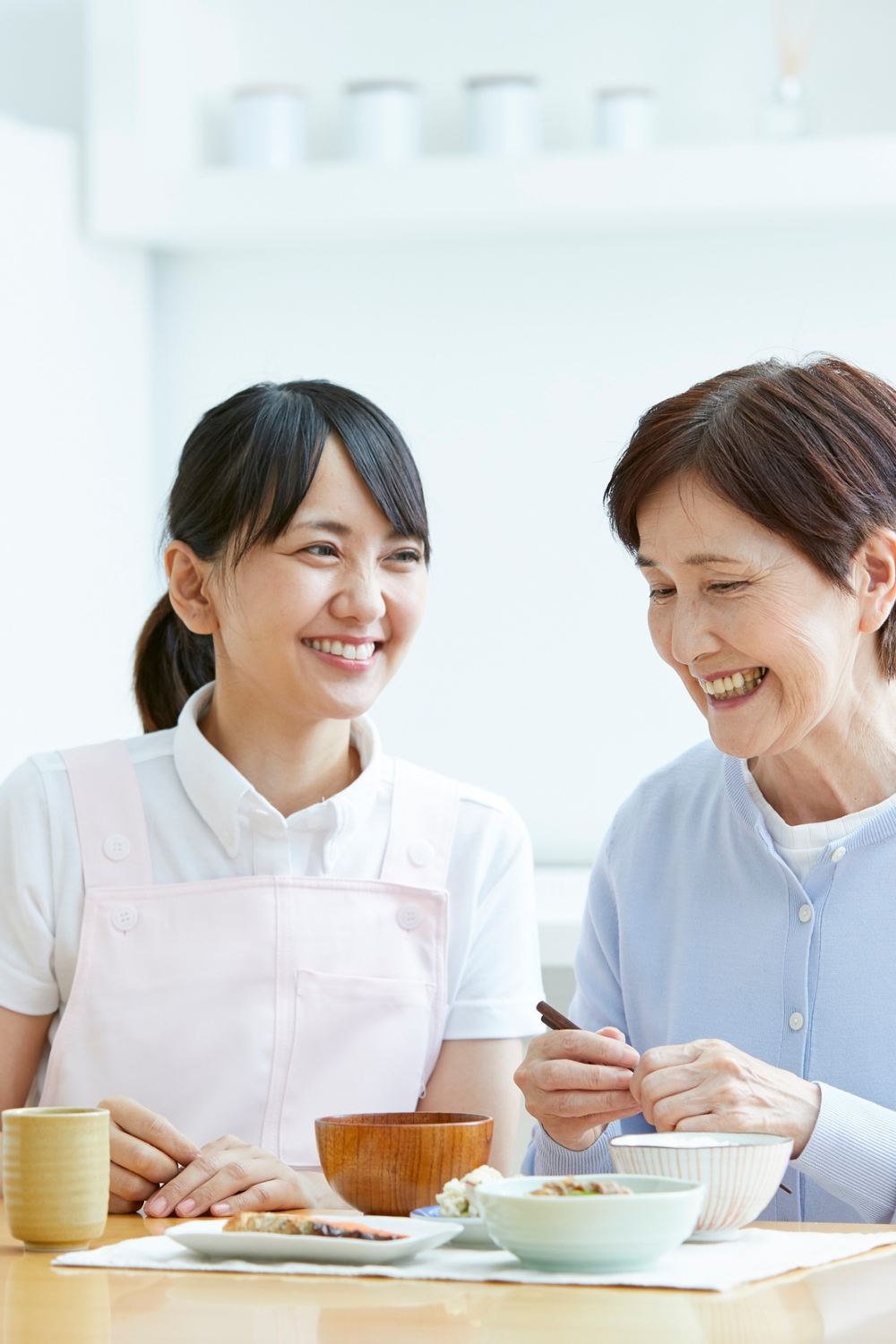
Caregiving an elderly parent is no joke.
There are days when it feels heavy in ways I never imagined it could. You know, the quiet kind that settles in your chest when you haven’t had enough sleep, or you can’t figure out if their pain needs a doctor or just comfort, or you’re wondering what to cook that they will actually eat, or you answer the same question for the fifth time in the last ten minutes (while trying to figure out all of the above).
For a long time, I thought self-care meant that I had to take time away, a break, a bubble bath, a walk around the block. And yes, those things do matter. But I’ve discovered something surprising, and that is sometimes the most powerful self-care I practice happens right in the middle of caregiving. For me, it’s when I choose humor (or humor choses me). Not the kind of humor that makes light of what we’re going through or pokes fun at Mama. The kind that makes the hard moments lighter, and gives us room to breathe.
Our Journey | Mama and I have our heavy moments. There are spilled drinks (and food). Carefully planned dinners that go uneaten. Routines that somehow take three times longer than they used to. One morning, Mama “finished” walking her laps around the house and quietly headed back to the breakfast table to begin her breakfast routine. She usually walk five laps, but I noticed she only took one this morning. This is the part where I usually turn into the unofficial wellness coach and say something like, “Come on, Mama, you know you’re supposed to do five laps. It’s for your health.” But that morning, as I felt the tension rising, the familiar mix of wanting to encourage her and not wanting to start another power struggle before breakfast, I looked at her, smiled, then said, “I guess my math isn’t mathing today, because I only counted one lap.” She stopped mid-step, looked at me and smiled that mischievous smile I know so well. And then she said, completely matter-of-fact, “Alright then, I guess I’ll just go ahead and do the other four.” Just like that. No debate. No convincing. She turned around and started her next lap like we had planned it all along. We both burst out laughing. And in that moment, standing in the hallway, watching Mama shuffle off for lap number two, the frustration loosened its grip. Not because the situation changed but because the tone did.
So here are some things I’ve learned about using humor:
Joy and exhaustion can coexist
What I’ve noticed about myself is when I focus on what’s going wrong and stayed tense, everything (no matter how small) feels enormous. But when I let myself smile or let a moment be a little silly, something shifts and the tension goes away. For me, this means that joy and exhaustion can live in the same moment. Sometimes, all it takes is one silly word or phrase, and a little grace for imperfect math.
Humor is emotional care
Using humor has become one of the ways I take care of my emotional health as a caregiver. It reminds me I’m still human and that I’m still allowed to enjoy Mama, not just manage her needs. I’ve also seen how laughter helps her. When Mama laughs her shoulders relax, her voice softens, she becomes less anxious, and more present. Humor creates emotional safety for both of us. It gives us something we can still share when so much else feels unfamiliar.
Some days, humor is how I forgive myself
For the days I don’t respond as patiently as I’d like, when I raise my voice (even though slightly) or walk away to cry in another room, I’ve felt that familiar pang of caregiver guilt afterward. Learning to laugh with Mama has helped me learn to forgive myself. When I can come back into the room with a playful joke or comment, it says to her and to me that we’re okay.

Here are a few Ways to Use Humor in Caregiving (Without Dismissing the Hard Stuff) it stand out
1. Turn repetitive moments into shared jokes
If your loved one repeats a question or story, try giving it a friendly “title.” In our house, some of Mama’s favorite stories have unofficial names now. When she starts one, I’ll smile and say,“ Ah, thegreat grocery store adventure, or the tale of the two cities” (you get the drift). Sometimes, I’ll ask her about one of the stories as well, using the title she know so well. She will often laugh and tell her story.
2. Let everyday mistakes become funny instead of frustrating
When I spill something, misplace my glasses for the tenth time, or forget why I walked into the room, I say it out loud:“We’re running on the same memory system today.”It reminds both of us that we are navigating this together, not perfectly.
PRO TIP: Although Mama is ok with teasing about memory, your loved one may not be, so make sure what you say aligns with your loved one’s sense of humor.
3. Use playful language during care tasks
Bath time, getting dressed, or taking medication can feel uncomfortable or stressful. Sometimes I soften the moment with gentle humor: “Alright, fashionista, it’s time for your glamour routine.” It changes the emotional tone without making light of what she needs. (By the way, Mama has always been and remains a fashionista, even at 90 years old).
4. Watch for what actually makes your loved one smile
Caregiving will teach you that quickly that not everyone responds to humor the same way. For Mama, it’s the simple things, such as very light teasing (very gentle), funny faces, and playful commentary on our everyday life. Take her vitamins for example. Now, Mama will not tell me when she’s running low. I’ve asked her more than once. I check when I can, but somehow, it’s always that one time I don’t check that she is completely out. How do I find out? Not with words, but with an empty bottle sitting right in the middle of the table like an announcement. That used to frustrate me. Because in my mind, I’m thinking, “Mama, why didn’t you just tell me?” But one day, instead of letting that frustration take over, I paused and decided to meet her where she was, with a little humor. I looked at the bottle, then at her and then said “I see you sent up the vitamin bat signal.” She looked at me for a second and smiled. She knew what I meant and we laughed about it. It was a shared moment. And honestly she still doesn’t tell me when the vitamins are low. But now when I see that empty bottle sitting there, it doesn’t feel like a problem (and now it actually make me smile).
PRO TIP: Pay attention to what makes their eyes brighten and use that.
5. Let laughter be a form of self-care, not something you feel guilty about
This one took me a while to accept. When things are hard, it can feel wrong to enjoy a moment. But laughter does not mean you aren’t taking caregiving seriously, just that you are protecting your emotional health so you can keep showing up.
6. Give yourself permission to laugh at the situation (not at your loved one)
This matters. We don’t laugh at our loved ones, just at how unpredictable, awkward, and did-that-really-just-happen parts of caregiving. There’s a big difference and they can feel it. Sometimes, after the moment has passed, I’ll circle back with Mama and add a little humor. Like the time Mama wasn’t feeling well and refused to go to the hospital when I told her. I tried everything but still no. So I called her doctor and handed her the phone. Instantly: “Yes, doctor.” Just like that. Now when she’s not cooperating, I just smile and say,“ Don’t make me call the doctor.”And we both laugh.
How are you finding humor in caregiving?
Mitzie is a daughter turned caregiver, sharing real-life experiences, emotional support, and practical guidance for those caring for aging loved ones. Through The Caregivers Corner, she offers a space where caregivers can feel seen, supported, and less alone.
