
Caregiver Tips: Protecting Elderly Adults from Heat-Related Illness
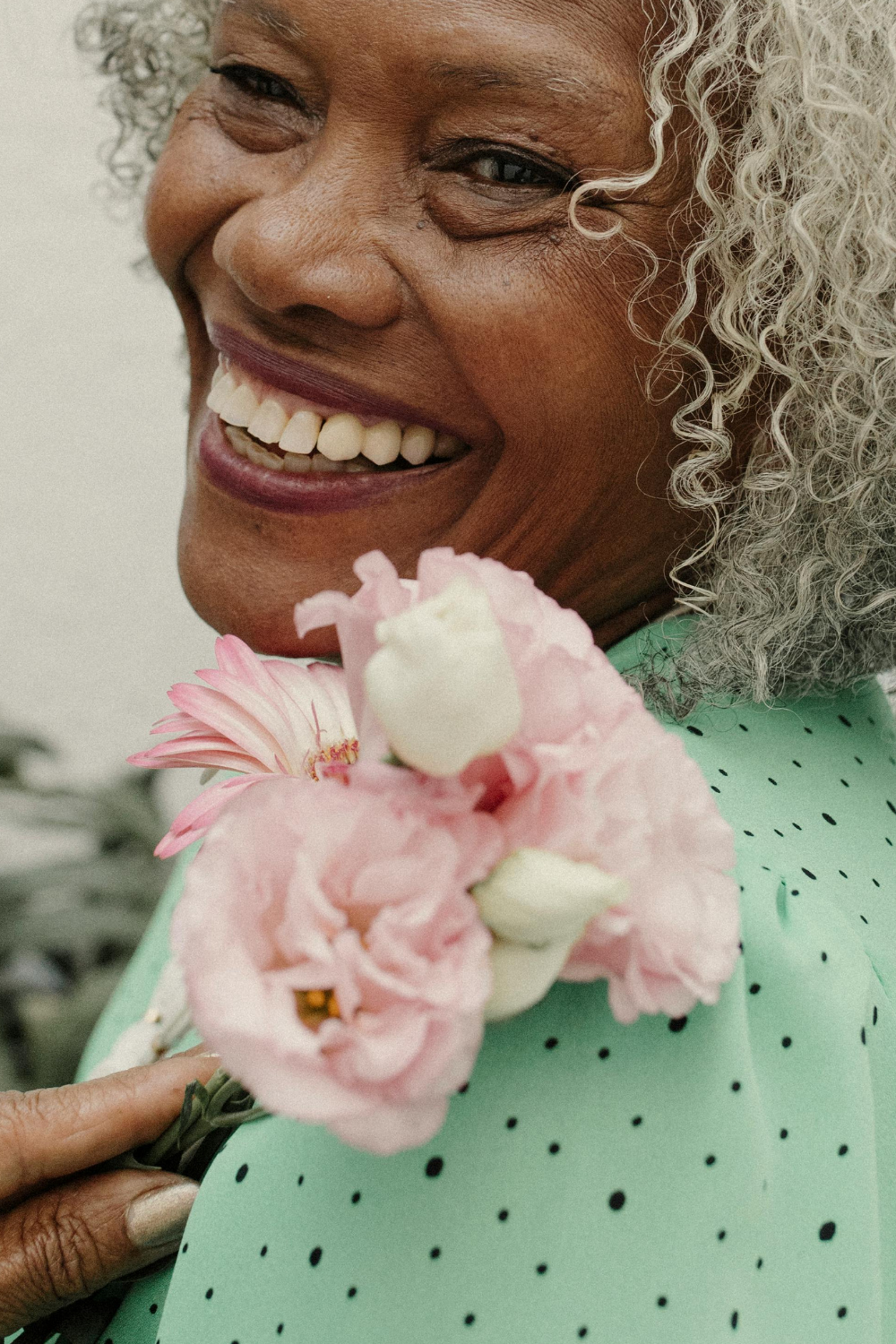
Summer has a way of lifting our spirits, it invites us outside, slow things down and everything feels lighter.
It’s the longer days, the sunshine, fresh air, enjoying the backyard, and moments that feel just a bit easier.
For older adults, the rising temperatures can pose serious health risks. Just like most things in caregiving, it means we have to be a little more mindful, prepared and intentional about keeping our elderly loved ones safe. As a caregiver, it’s crucial to know how to prevent heat-related illness, which can escalate quickly in the elderly due to age-related changes in the body’s ability to regulate temperature, medical conditions, or medications.
Mama’s Journey: In my blog Tips for Helping your Elderly Loved Ones Stay Hydrated During the Summer I talk about how much Mama loves the summer. Summer brings her life! Every morning, she asks about the temperature, anticipating spending time on the back patio soaking up the sun and gazing at the garden. There’s a special kind of joy on her face when she spots a new bloom or sees vegetables ready to be picked.
In the same blog I also shared the story of when Mama passed out after we had been gardening, a moment that shook me. What felt like a simple, peaceful activity that she enjoyed, quickly turned into something serious. At her follow-up appointment, her doctor explained that her medical condition, along with some of her medications could make her more vulnerable to dehydration and other heat related illnesses. It was a reminder for me that as her caregiver, I have to be intentional about protecting her while still allowing her to enjoy the things she loves.
Here are a few tips I use to keep Mama safe during the summer months. Maybe they can help you care for your loved one:
1. Know the Warning Signs

Be alert for signs of heat exhaustion or heat stroke:
Dizziness or confusion
Headache
Nausea or vomiting
Rapid heartbeat
Dry or flushed skin
Muscle cramps or weakness it stand out
If these symptoms appear, move the person to a cool place, offer water, and seek medical attention if symptoms worsen.
2. Stay Cool Indoors
Although Mama loves to go out to the back patio every day during the summer, I limit her exposure when the temperature or the humidity is too high, and I also:
Keep the home comfortably air-conditioned or use fans.
Close curtains during peak sun hours.
PRO TIP: You may also want to create a cool room where your loved one can retreat on extra hot days.
3. Prioritize Hydration
Encourage frequent sips of water throughout the day, even if they don’t feel thirsty.
Offer hydrating snacks like fruit or popsicles.
Limit caffeine (and alcohol, if they still drink), which can contribute to dehydration.
Also see blog post Tips Keeping your Elderly Loved Ones Hydrated During the Summer
4. Dress for the Weather
Choose lightweight, breathable clothing.
Use a wide-brimmed hat and sunglasses if going outside.
Don’t forget sunscreen!
PRO TIP: Make sure you reapply sunscreen.
5. Plan Ahead
Make it stand out
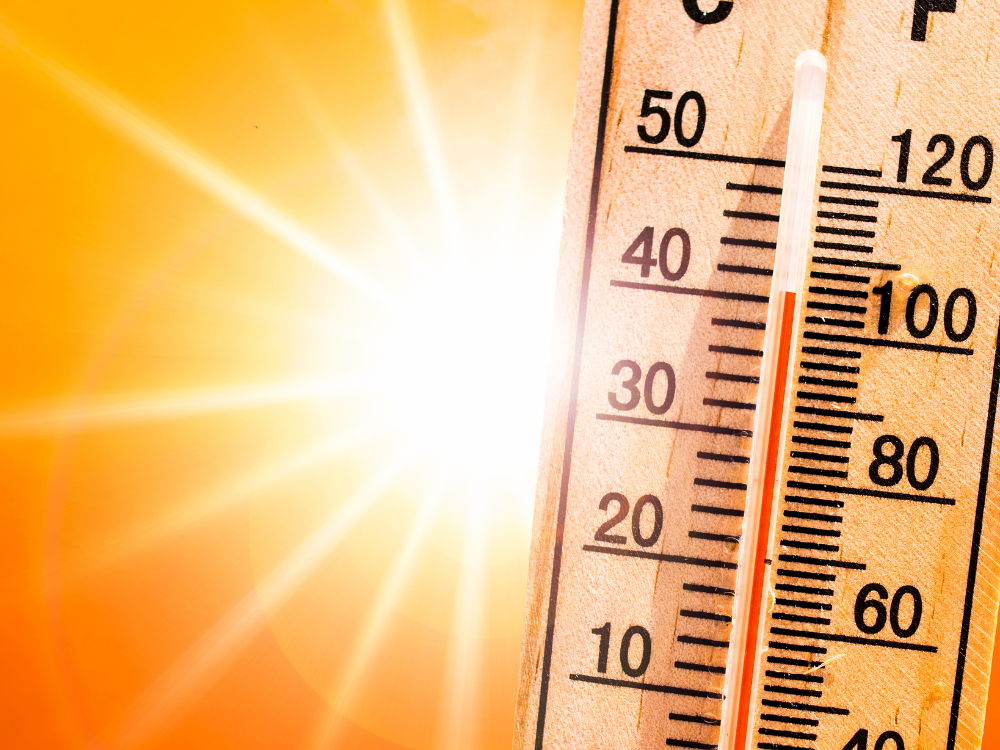
Avoid outdoor activities during peak heat (10 a.m.–4 p.m.).
Run errands or schedule appointments in the early morning or late evening.
Keep a cold compress or cooling towel handy.
Check out my blog Stay Cool: The Best Cooling Products for the Elderly This Summerfor more on staying cool.
6. Understand Health Conditions and Check Medications
As is the case with Mama, some health conditions can make your loved one more vulnerable to heat related illnesses such as dehydration. Some medications can also increase sensitivity to heat or affect hydration. Talk to your loved one’s doctor or pharmacist about potential side effects during hot weather. For more on how to engage with your loved one’s health care provider check out my blog Communicating with Healthcare Providers: Questions to Ask and Information to Share.
Stay cool, stay safe, and don’t forget to take care of you, too. 💙
Mitzie is a daughter turned caregiver, sharing real-life experiences, emotional support, and practical guidance for those caring for aging loved ones. Through The Caregivers Corner, she offers a space where caregivers can feel seen, supported, and less alone.
