

Everything I’ve Learned Along the Way
Real-life experiences, practical tips, and reflections to help you care for your aging loved one, and yourself.
TOP READS

From Daughter to Caregiver: A Guide for Beginning Your Caregiving Journey
Includes everything I wish I knew on day one of becoming my mother’s caregiver.

Building a Routine to Nurture Stability and Independence for Seniors
After months of chaos, I created a routine to make life easier, so here is how.

Nurture the Nurturer: Tips for Family Caregivers on Balancing Self-Care with Caregiving
Because caregiver burnout is real and caring for yourself makes you a better caregiver.
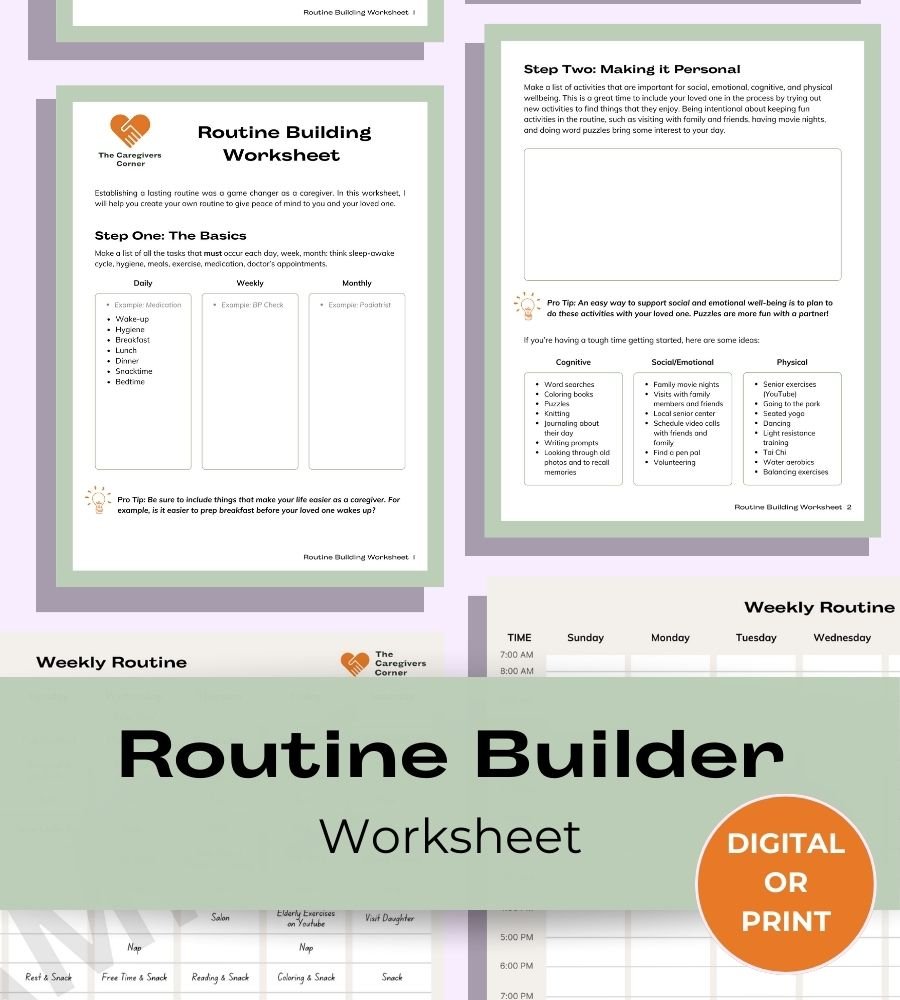
Free Routine Building Resource for Caregivers
DIGITAL DOWNLOAD
Establishing a routine has been a game changer in giving Mama independence and a lifesaver for keeping the chaos of my days to a minimum. This resource guides you through creating a sustainable caregiving routine that can be easily adapted by others in your absence.
Routines provide structure and flow to our day that research shows is an important tool to improve our mental health as it organizes tasks into a pattern that makes them seem easier to accomplish. The Routine Building kit which includes a routine builder, sample routine and a chart for you to complete helps you by taking the guess work of of creating your own unique routine to support caregiver for you and your elderly loved one.

As caregivers, we make decisions all day long, some are small, and some carry much more weight.
The decisions never stops. We make decisions about scheduling, medication management, coordinating transportation, advocacy, nutrition and meals, housekeeping, nutrition, counselors, and financial management. Because of all the decisions caregivers have to make, even deciding what to make for dinner can feel overwhelming. Most of us don't realize how many decisions we make each day. But by the end of the day, we feel completely drained. This may be a sign of decision fatigue.

This blog makes preparing for medical visits with your elderly loved one less stressful. After juggling medical appointments with different specialists and providers with my mom, I listed everything I could do before a visit to make sure we are asking the right questions and have all the information that they might need from us.
Doing simple things to prepare for appointments helps our family feel more confident at appointments that she is getting the best care.

Caregiving doesn't usually overwhelm us because of one big event. It's the buildup of the little moments. Try the five-minute reset the next time you have one of those difficult moments in caregiving to help you reset and begin again.
The power of the pause in caregiving lies in the difference between reacting and responding. In those challenging moments, a brief pause even taking a deep breath can help you shift from frustration to intention. Instead of reacting emotionally, you give yourself space to respond with patience, clarity, and compassion. Over time, this simple practice can transform not only how you handle stress, but also the quality of your relationship with the loved one in your care.
For older adults, the rising temperatures of the summer can pose serious health risks. Just like most things in caregiving, it means we have to be a little more mindful, prepared and intentional about keeping our elderly loved ones safe.
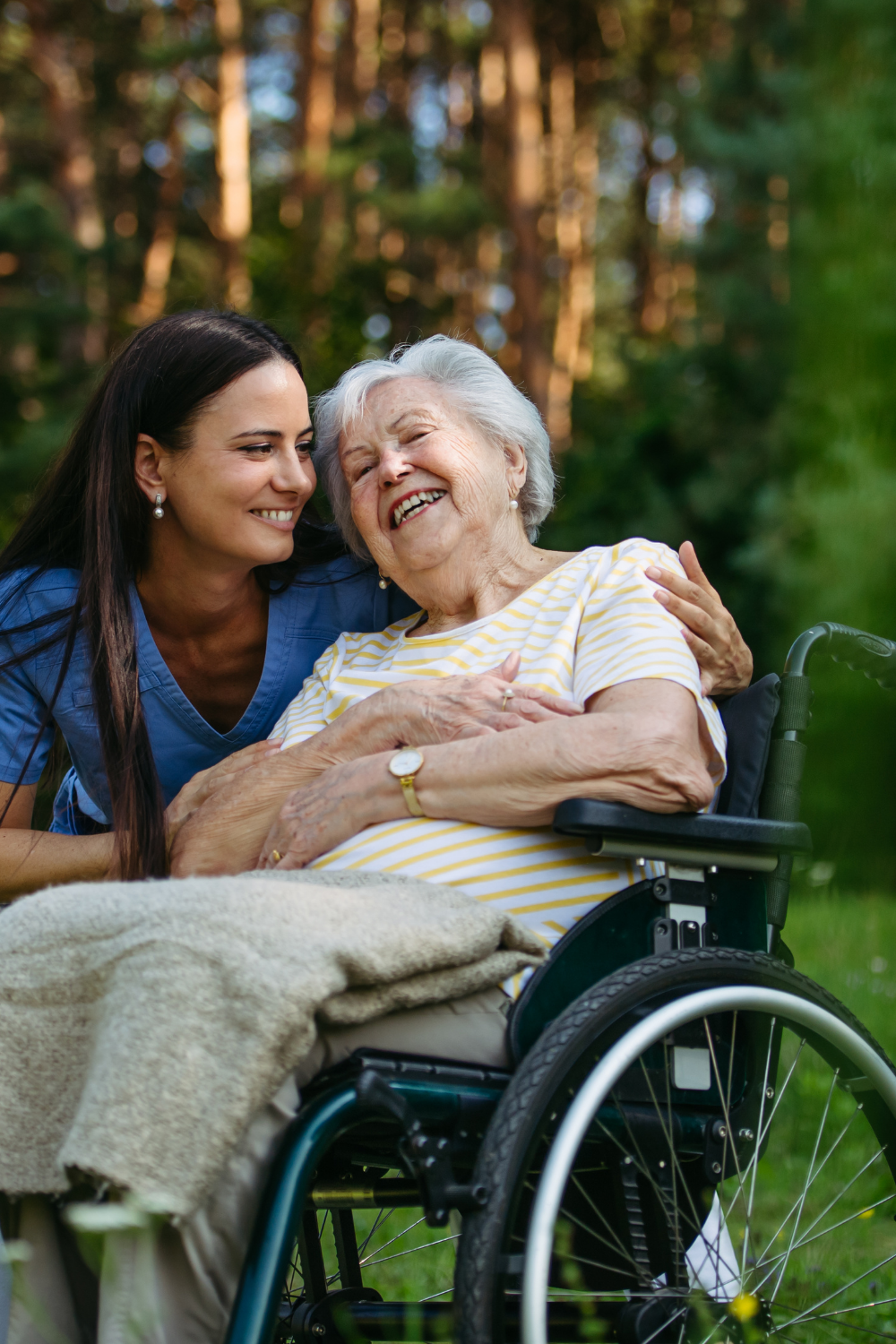

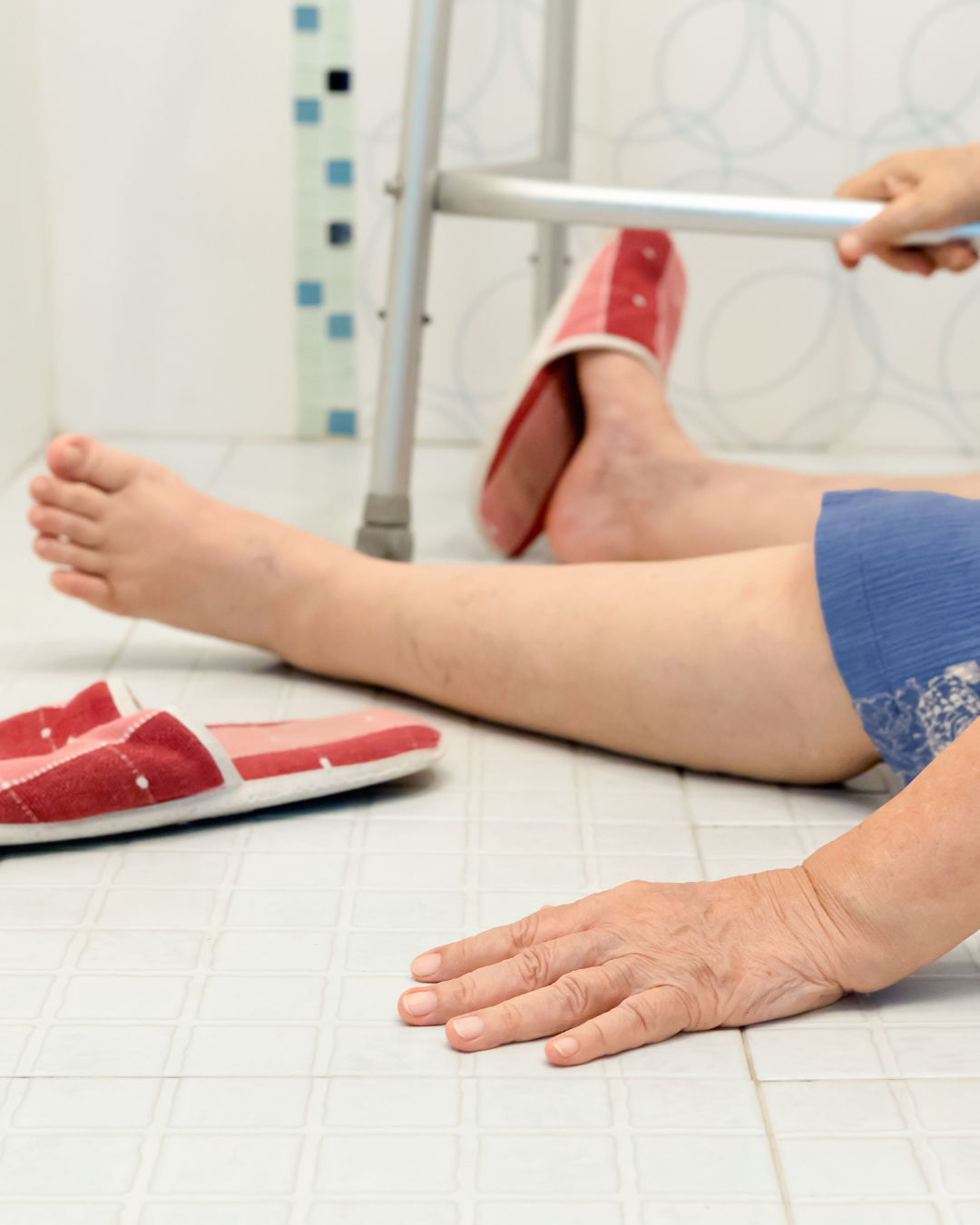

Caring for a demanding elderly parent can be both emotionally exhausting and deeply meaningful. Whether you're dealing with constant requests, resistance to help, or controlling behavior, the stress can take a toll on your well-being. In this post, I share practical strategies and personal insights to help you set boundaries, stay calm under pressure, and care with compassion, even on the hardest days. Learn how to balance your parent’s needs with your own, and give grace to them and yourself.

Depression in older adults is often misunderstood or overlooked, but it’s a serious condition that can greatly affect quality of life. In this blog post, I share my personal journey caring for my aging mother, the subtle signs of depression I began to notice, and tips for recognizing and managing depression. From changes in sleep and appetite to a growing sense of isolation, her experience taught me the importance of focusing not only on physical care but paying attention to the emotional wellbeing as well. Whether you're a family caregiver or simply seeking to understand more about geriatric depression, this post offers insights, practical tips, and a reminder that no one especially our elders should face this battle alone.

Whether you're caring for a loved one or just prepping for the warmer months, here are some great cooling products to help keep your elderly loved ones (and you) safe and comfortable.

Both caregivers and their elderly loved ones are at higher risk of dehydration during the summer months. As we age, our sense of thirst diminishes. Medications or chronic conditions can further complicate fluid balance. This blog post include some simple but effective tips to help you and your loved one stay hydrated and safe all summer long


In this blog, we'll explore practical tips for caregivers helping their elderly loved ones manage chronic medical conditions, from managing medications, health monitoring, building your support team and creating a care plan to maintaining emotional well-being.

Caring for an aging parent is one of the most profound and challenging journeys a person can experience. In this heartfelt blog post, I share the hardest parts of being a caregiver for my mother — from watching her lose independence to navigating constant worry, guilt, isolation, and burnout. Through personal stories and honest reflections, I offer tips, encouragement, and practical advice for family caregivers facing similar struggles. If you’re caring for an elderly loved one and searching for support, self-care strategies, and real talk about the emotional weight of caregiving, this post is for you.

Five opportunities that can arise from caregiving of a parent or elderly loved one.

Caring for my aging mother has been one of the most humbling, challenging and transformative experiences of my life. In this post, I share five powerful lessons I’ve learned on this caregiving journey.

As the caregiver of an aging parent, it often feels like parenting you own parent. This role reversal requires care and thought to maintain your relationship with your parent. This blog includes five essential tips for navigating this journey.


When interviewing a prospective caregiver for your elderly loved one, it's essential to ask questions that cover a range of topics, including experience, approach to care, and compatibility with your loved one’s specific needs. Here are some important questions to ask during the interview with prospective caregivers that I have found to help with your selection.

Choosing an in-home caregiver is a deeply personal and important decision. Having the right in-home caregiver for an elderly loved one can greatly impact their quality of life. If you are looking for an in-home caregiver and need some ideas on how to make a selection, this blog is for you!

Losing a loved one is one of life's most difficult experiences. As adult children, we often find ourselves in the position of having to tell our elderly parents about the death of someone dear to them. Whether it’s the loss of a spouse, sibling, friend, or another family member, it’s crucial that we approach this conversation with sensitivity, empathy, and patience. In this blog I give tips to help with these difficult conversations.

Technology is a great way to enhance the care of elderly individuals. This blog provides some helpful tips on how caregivers can use technology in elderly care.


Managing my mother’s healthcare has been the most challenging experience as her caregiver. The intricacies of the healthcare system combined with frequent communication gaps and coordination among her various providers, have often left me feeling overwhelmed. From these challenges, I've learned firsthand how critical it is to maintain open and effective communication with her healthcare providers to ensure that my mother receive optimal care. This blog gives some practical tips on communicating with healthcare providers to help you in your journey as a caregiver.

This blog provides helpful information for caregivers planning to begin the journey of caring for their elderly loved ones.

As our loved ones age, creating a comfortable and safe home environment becomes a priority. A well-thought-out space not only ensures their physical well-being but also contributes significantly to their emotional health and overall quality of life. These are some practical tips and ideas to transform your home to meet the needs of your elderly family members.

A coping kit is a tailored assortment of items, activities, and strategies aimed at helping to manage stress, anxiety, or difficult emotions. Imagine it as an emergency first aid kit for the soul, always there to provide the essential nourishment when you need it the most. Check out my blog to get started on yours today!
The Latest

TRENDING • NAVIGATING HEALTHCARE
What’s in my Medical Toolkit: A Simple Medical Folder Guide
By Category
SELF-CARE FOR CAREGIVERS

This is what it felt like before I got organized as a caregiver. We manage so many things as a caregiver, medications, appointments, healthcare, nutrition, exercise, kids, and try to have a life. I found that staying organized is one of the best ways to stay sane.
As caregivers, we make decisions all day long, some are small, and some carry much more weight.
The decisions never stops. We make decisions about scheduling, medication management, coordinating transportation, advocacy, nutrition and meals, housekeeping, nutrition, counselors, and financial management. Because of all the decisions caregivers have to make, even deciding what to make for dinner can feel overwhelming. Most of us don't realize how many decisions we make each day. But by the end of the day, we feel completely drained. This may be a sign of decision fatigue.
Caring for a demanding elderly parent can be both emotionally exhausting and deeply meaningful. Whether you're dealing with constant requests, resistance to help, or controlling behavior, the stress can take a toll on your well-being. In this post, I share practical strategies and personal insights to help you set boundaries, stay calm under pressure, and care with compassion, even on the hardest days. Learn how to balance your parent’s needs with your own, and give grace to them and yourself.
Depression in older adults is often misunderstood or overlooked, but it’s a serious condition that can greatly affect quality of life. In this blog post, I share my personal journey caring for my aging mother, the subtle signs of depression I began to notice, and tips for recognizing and managing depression. From changes in sleep and appetite to a growing sense of isolation, her experience taught me the importance of focusing not only on physical care but paying attention to the emotional wellbeing as well. Whether you're a family caregiver or simply seeking to understand more about geriatric depression, this post offers insights, practical tips, and a reminder that no one especially our elders should face this battle alone.
Both caregivers and their elderly loved ones are at higher risk of dehydration during the summer months. As we age, our sense of thirst diminishes. Medications or chronic conditions can further complicate fluid balance. This blog post include some simple but effective tips to help you and your loved one stay hydrated and safe all summer long
Caring for an aging parent is one of the most profound and challenging journeys a person can experience. In this heartfelt blog post, I share the hardest parts of being a caregiver for my mother — from watching her lose independence to navigating constant worry, guilt, isolation, and burnout. Through personal stories and honest reflections, I offer tips, encouragement, and practical advice for family caregivers facing similar struggles. If you’re caring for an elderly loved one and searching for support, self-care strategies, and real talk about the emotional weight of caregiving, this post is for you.
Five opportunities that can arise from caregiving of a parent or elderly loved one.
Caring for my aging mother has been one of the most humbling, challenging and transformative experiences of my life. In this post, I share five powerful lessons I’ve learned on this caregiving journey.
As the caregiver of an aging parent, it often feels like parenting you own parent. This role reversal requires care and thought to maintain your relationship with your parent. This blog includes five essential tips for navigating this journey.
When interviewing a prospective caregiver for your elderly loved one, it's essential to ask questions that cover a range of topics, including experience, approach to care, and compatibility with your loved one’s specific needs. Here are some important questions to ask during the interview with prospective caregivers that I have found to help with your selection.
As our loved ones age, creating a comfortable and safe home environment becomes a priority. A well-thought-out space not only ensures their physical well-being but also contributes significantly to their emotional health and overall quality of life. These are some practical tips and ideas to transform your home to meet the needs of your elderly family members.
A coping kit is a tailored assortment of items, activities, and strategies aimed at helping to manage stress, anxiety, or difficult emotions. Imagine it as an emergency first aid kit for the soul, always there to provide the essential nourishment when you need it the most. Check out my blog to get started on yours today!


Traveling with your elderly loved ones can be a rewarding experience, providing opportunities for shared adventures and cherished memories. However, it requires careful planning and consideration to make sure everyone has a comfortable and enjoyable journey especially if your elderly loved ones have health and/or mobility issues. Whether you're planning a family vacation or visiting relatives, here are some some valuable tips to make traveling with seniors a smooth and positive experience.
DIET & NUTRITION
Traveling with your elderly loved ones can be a rewarding experience, providing opportunities for shared adventures and cherished memories. However, it requires careful planning and consideration to make sure everyone has a comfortable and enjoyable journey especially if your elderly loved ones have health and/or mobility issues. Whether you're planning a family vacation or visiting relatives, here are some some valuable tips to make traveling with seniors a smooth and positive experience.
NAVIGATING HEALTHCARE
This blog makes preparing for medical visits with your elderly loved one less stressful. After juggling medical appointments with different specialists and providers with my mom, I listed everything I could do before a visit to make sure we are asking the right questions and have all the information that they might need from us.
Doing simple things to prepare for appointments helps our family feel more confident at appointments that she is getting the best care.
In this blog, we'll explore practical tips for caregivers helping their elderly loved ones manage chronic medical conditions, from managing medications, health monitoring, building your support team and creating a care plan to maintaining emotional well-being.
When interviewing a prospective caregiver for your elderly loved one, it's essential to ask questions that cover a range of topics, including experience, approach to care, and compatibility with your loved one’s specific needs. Here are some important questions to ask during the interview with prospective caregivers that I have found to help with your selection.
Choosing an in-home caregiver is a deeply personal and important decision. Having the right in-home caregiver for an elderly loved one can greatly impact their quality of life. If you are looking for an in-home caregiver and need some ideas on how to make a selection, this blog is for you!
Losing a loved one is one of life's most difficult experiences. As adult children, we often find ourselves in the position of having to tell our elderly parents about the death of someone dear to them. Whether it’s the loss of a spouse, sibling, friend, or another family member, it’s crucial that we approach this conversation with sensitivity, empathy, and patience. In this blog I give tips to help with these difficult conversations.
Managing my mother’s healthcare has been the most challenging experience as her caregiver. The intricacies of the healthcare system combined with frequent communication gaps and coordination among her various providers, have often left me feeling overwhelmed. From these challenges, I've learned firsthand how critical it is to maintain open and effective communication with her healthcare providers to ensure that my mother receive optimal care. This blog gives some practical tips on communicating with healthcare providers to help you in your journey as a caregiver.
As our loved ones age, creating a comfortable and safe home environment becomes a priority. A well-thought-out space not only ensures their physical well-being but also contributes significantly to their emotional health and overall quality of life. These are some practical tips and ideas to transform your home to meet the needs of your elderly family members.
Being a caregiver often means juggling multiple appointments, medications, and TONS of paperwork. I can’t tell you how many times I’ve found myself searching for a piece of paper with a phone number on it, scouring my emails for a doctor appointment confirmation, or trying to remember which medication serves what purpose. Keeping track of your loved one's medical appointments, medications, and essential information can feel overwhelming. So, I’m sharing my secret weapon:
My Medical Toolkit is a free download of all the templates I keep in my folder — keeping us organized.
EVERYDAY WELLBEING
This is what it felt like before I got organized as a caregiver. We manage so many things as a caregiver, medications, appointments, healthcare, nutrition, exercise, kids, and try to have a life. I found that staying organized is one of the best ways to stay sane.
As caregivers, we make decisions all day long, some are small, and some carry much more weight.
The decisions never stops. We make decisions about scheduling, medication management, coordinating transportation, advocacy, nutrition and meals, housekeeping, nutrition, counselors, and financial management. Because of all the decisions caregivers have to make, even deciding what to make for dinner can feel overwhelming. Most of us don't realize how many decisions we make each day. But by the end of the day, we feel completely drained. This may be a sign of decision fatigue.
This blog makes preparing for medical visits with your elderly loved one less stressful. After juggling medical appointments with different specialists and providers with my mom, I listed everything I could do before a visit to make sure we are asking the right questions and have all the information that they might need from us.
Doing simple things to prepare for appointments helps our family feel more confident at appointments that she is getting the best care.
Caregiving doesn't usually overwhelm us because of one big event. It's the buildup of the little moments. Try the five-minute reset the next time you have one of those difficult moments in caregiving to help you reset and begin again.
The power of the pause in caregiving lies in the difference between reacting and responding. In those challenging moments, a brief pause even taking a deep breath can help you shift from frustration to intention. Instead of reacting emotionally, you give yourself space to respond with patience, clarity, and compassion. Over time, this simple practice can transform not only how you handle stress, but also the quality of your relationship with the loved one in your care.
For older adults, the rising temperatures of the summer can pose serious health risks. Just like most things in caregiving, it means we have to be a little more mindful, prepared and intentional about keeping our elderly loved ones safe.
Caring for a demanding elderly parent can be both emotionally exhausting and deeply meaningful. Whether you're dealing with constant requests, resistance to help, or controlling behavior, the stress can take a toll on your well-being. In this post, I share practical strategies and personal insights to help you set boundaries, stay calm under pressure, and care with compassion, even on the hardest days. Learn how to balance your parent’s needs with your own, and give grace to them and yourself.
Depression in older adults is often misunderstood or overlooked, but it’s a serious condition that can greatly affect quality of life. In this blog post, I share my personal journey caring for my aging mother, the subtle signs of depression I began to notice, and tips for recognizing and managing depression. From changes in sleep and appetite to a growing sense of isolation, her experience taught me the importance of focusing not only on physical care but paying attention to the emotional wellbeing as well. Whether you're a family caregiver or simply seeking to understand more about geriatric depression, this post offers insights, practical tips, and a reminder that no one especially our elders should face this battle alone.
Whether you're caring for a loved one or just prepping for the warmer months, here are some great cooling products to help keep your elderly loved ones (and you) safe and comfortable.
Both caregivers and their elderly loved ones are at higher risk of dehydration during the summer months. As we age, our sense of thirst diminishes. Medications or chronic conditions can further complicate fluid balance. This blog post include some simple but effective tips to help you and your loved one stay hydrated and safe all summer long
In this blog, we'll explore practical tips for caregivers helping their elderly loved ones manage chronic medical conditions, from managing medications, health monitoring, building your support team and creating a care plan to maintaining emotional well-being.
Losing a loved one is one of life's most difficult experiences. As adult children, we often find ourselves in the position of having to tell our elderly parents about the death of someone dear to them. Whether it’s the loss of a spouse, sibling, friend, or another family member, it’s crucial that we approach this conversation with sensitivity, empathy, and patience. In this blog I give tips to help with these difficult conversations.
Technology is a great way to enhance the care of elderly individuals. This blog provides some helpful tips on how caregivers can use technology in elderly care.
Managing my mother’s healthcare has been the most challenging experience as her caregiver. The intricacies of the healthcare system combined with frequent communication gaps and coordination among her various providers, have often left me feeling overwhelmed. From these challenges, I've learned firsthand how critical it is to maintain open and effective communication with her healthcare providers to ensure that my mother receive optimal care. This blog gives some practical tips on communicating with healthcare providers to help you in your journey as a caregiver.
This blog provides helpful information for caregivers planning to begin the journey of caring for their elderly loved ones.
As our loved ones age, creating a comfortable and safe home environment becomes a priority. A well-thought-out space not only ensures their physical well-being but also contributes significantly to their emotional health and overall quality of life. These are some practical tips and ideas to transform your home to meet the needs of your elderly family members.
A coping kit is a tailored assortment of items, activities, and strategies aimed at helping to manage stress, anxiety, or difficult emotions. Imagine it as an emergency first aid kit for the soul, always there to provide the essential nourishment when you need it the most. Check out my blog to get started on yours today!
Traveling with your elderly loved ones can be a rewarding experience, providing opportunities for shared adventures and cherished memories. However, it requires careful planning and consideration to make sure everyone has a comfortable and enjoyable journey especially if your elderly loved ones have health and/or mobility issues. Whether you're planning a family vacation or visiting relatives, here are some some valuable tips to make traveling with seniors a smooth and positive experience.

Tips for celebrating with your elderly loved one



While memory loss is a normal part of aging, it was not long after my mom moved in with me that I noticed the dramatic decline in her memory. Let’s talk about some fun activities that can boost memory and brain function for seniors and elderly loved ones.
TRAVEL & MOBILITY

MOST POPULAR RESOURCES
DIGITAL DOWNLOAD
Medical Toolkit
Because caregiving is complicated enough.
The downloadable Medical Toolkit is a lifesaving resource that makes the caregiving experience so much smoother. Included in this packet are templates and instructions on everything you need to make your own toolkit. Download it to use as a digital resource or print it out your toolkit.

The downloadable Medical Toolkit is a lifesaving resource that makes the caregiving experience so much smoother. Included in this packet are templates and instructions on everything you need to make your own toolkit. Download it to use as a digital resource or print it out your toolkit.
What’s Included?
Medical Summary Sheet: This guided sheet for detailed medical history is a great tool to help keep track of medical history for doctor visits.
Medication List: Anyone who has sought medical care is familiar with the question, “What medications are you currently taking?” This medication list keeps all the information about current and past medications organized in a clear chart.
Doctor Contact Sheet: This contact sheet is helps keep all of the contact information for all doctors, medical specialists, and more in one place.
Appointment Notes Page: This page is meant for jotting down questions before and taking notes during various doctors visits.
Calendar: A month-by-month 2024 calendar for jotting down appointments, dates for taking medications, and more.
This is what it felt like before I got organized as a caregiver. We manage so many things as a caregiver, medications, appointments, healthcare, nutrition, exercise, kids, and try to have a life. I found that staying organized is one of the best ways to stay sane.