
When Your Aging Parent Falls: What to Do and How to Cope
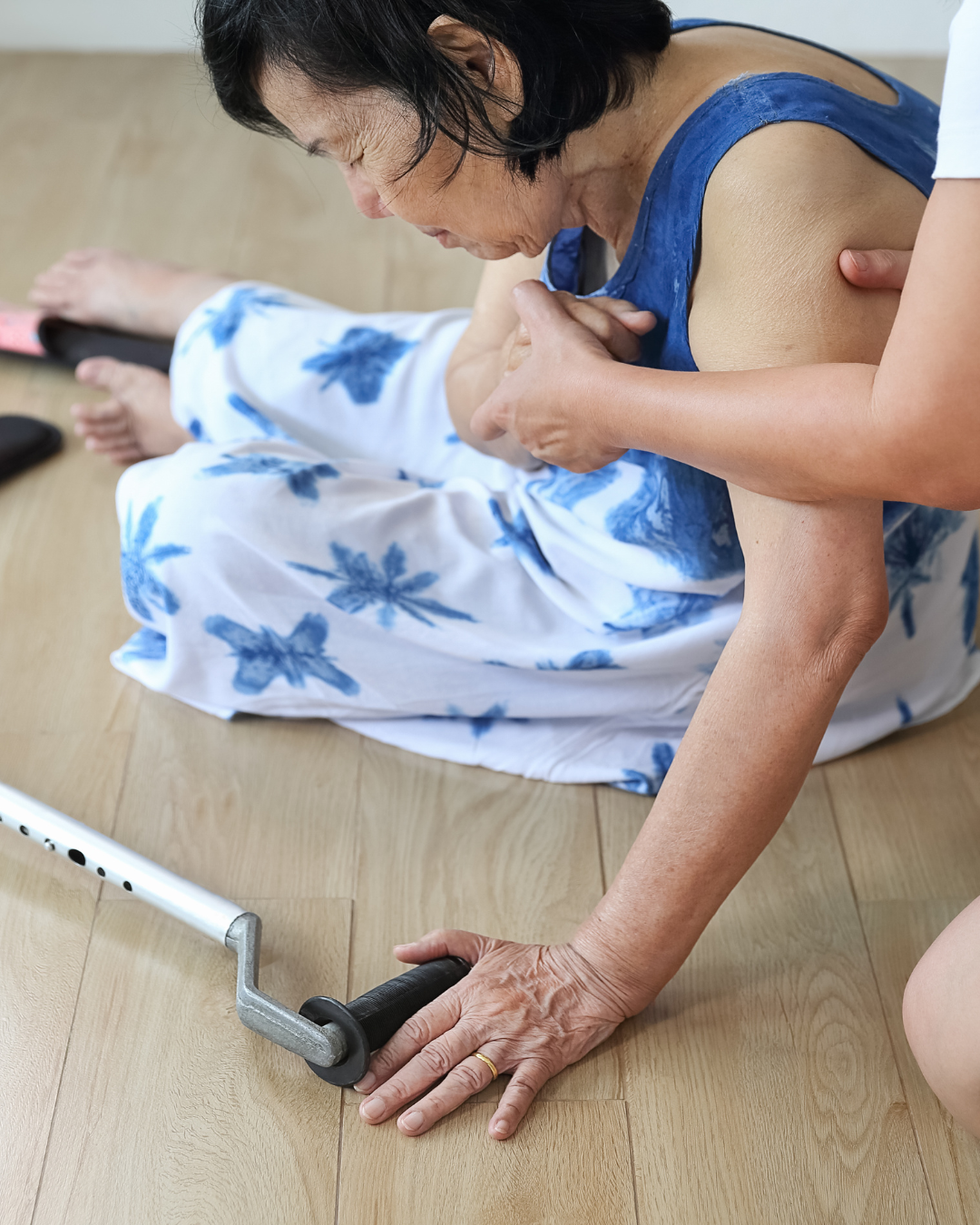
Falls are one of the most common and frightening experiences for the elderly.
They happen fast and can change everything. Even when there’s no visible injury, the emotional toll is real for them and for their caregivers.
Our Journey | Mama fell twice since living with me. The first time she was still independently taking care of her personal care needs. One morning, I heard her shout out for me, very panicked. I found her on the floor of the tub struggling to get up, her knee bloodied. I was terrified and I panicked too because I didn’t really know what to do next. Should I move her? Call 911? Did she hit her head? How hurt was she? I called my siblings (they work in elderly health care) and they helped me through what to do.
The second fall was even more terrifying. She was using the bathroom one minute, the next she was calling out for my help. I found her laying on the floor with her body contorted. How did she fall? Did she hit her head? Is she in pain? This time though, I was more prepared.
I may have gotten some things wrong the first time because I did not have a plan for this very common experience among the elderly.
How do you respond if your elderly parent falls? and, what can you do to prevent or minimize the risk of falls?
Here are some tips that I’ve learned from my experience and of course from other caregivers:
What to Do If Your Aging Parent Falls
Stay calm and assess
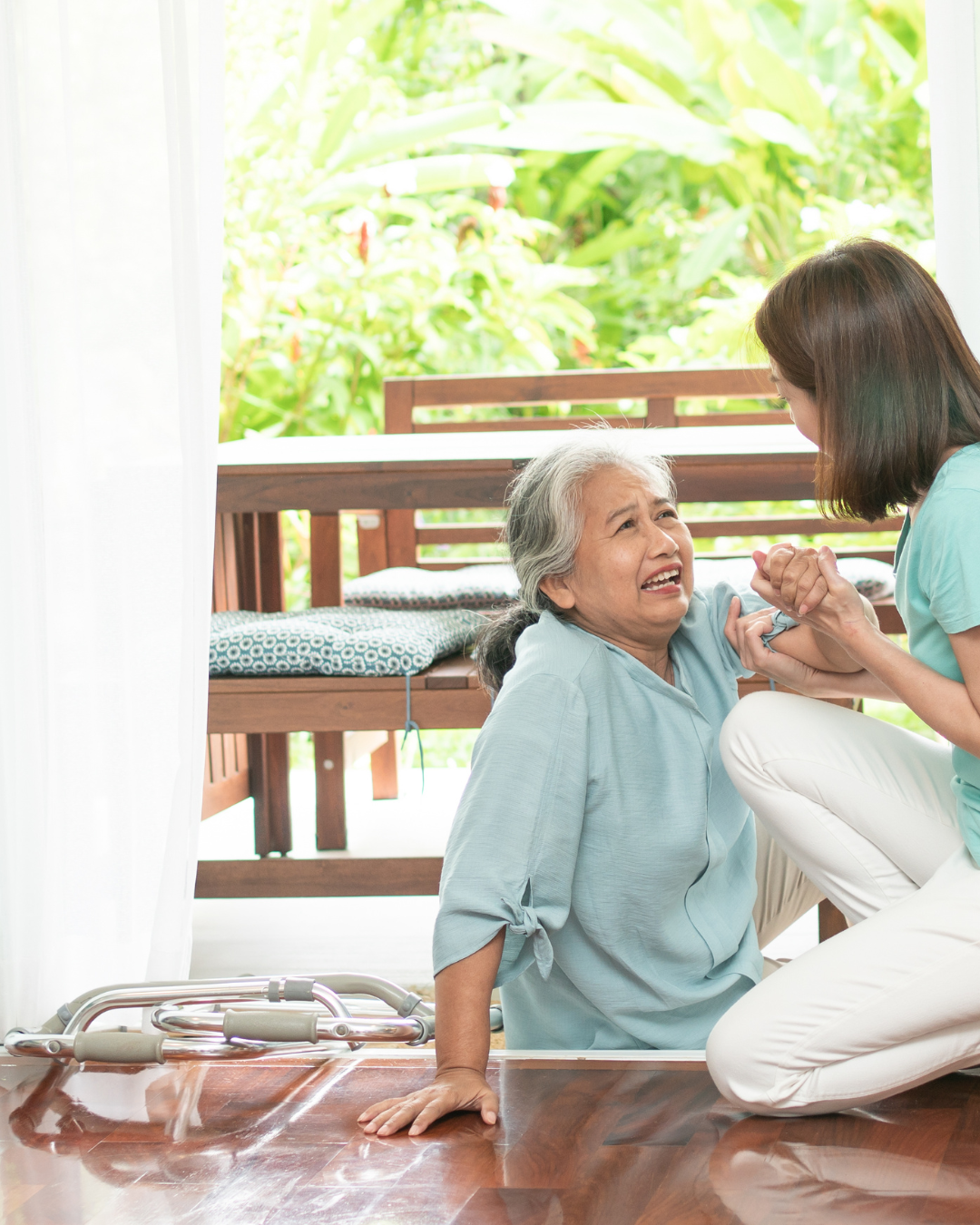
If you’re panicked, they may be too
Breathe. Take a moment to center yourself so that you can respond effectively. (If you’re panicking, they may too).
Ask them how they feel. Ask if they are in pain, where they feel pain, did they hit their head, can they move their limbs?
Ask them questions such as their name, address, where they are, etc, to find out if they are oriented to time and place.
Look for obvious injuries such as bruising, swelling, bleeding, or signs of a broken bone.
Don’t rush to move them (even if they are conscious and alert).
Don’t lift them
You could make things worse or injure yourself
Call emergency services
Call 911 if they hit their head, have severe pain, is injured, unconscious, seem confused or disoriented, cannot get up on their own, or you’re just not sure.

Call Emergency Services
If they hit their head, have severe pain, is injured, unconscious, seem confused or disoriented, cannot get up on their own, or you’re just not sure.
PRO TIP: Mama often underplay symptoms, or, due to the shock of the fall may not even realize the impact of the fall in the moment. If you’re not sure, call 911 anyway (even if they say they’re fine).
Follow up with their doctor
Even if they seem okay, follow up with their doctor. A fall might point to deeper issues such as medication side effects, balance trouble, or underlying illness.
Fall Prevention Checklist for Caregivers
Here are a few simple changes can make their home much safer.
Take Steps to Keep the Home Safe
Remove throw rugs
Remove clutter (especially from walkways)
Secure loose cords and wires
Add night lights in hallways and bathrooms
Place non-slip mats in the bathroom and shower
Install grab bars in the bathroom and kitchen, or other areas where they need more mobility support
Install a higher toilet or a seat extender
Use bath chairs with arms in the shower or tub
Convert bathtubs to shower if possible
Use bedrails if they have trouble getting in and out of bed
Keep frequently used items within easy reach (no climbing or reaching)
Ensure stairs have sturdy railings on both sides (inside and outside)
Use medical alert system which can be worn as a pendant, bracelet of clipped to clothing. Some newer models even include automatic fall detection
Check out my blog Tips for Creating a Safe and Comfortable Home for your Elderly Loved Ones for more on this.
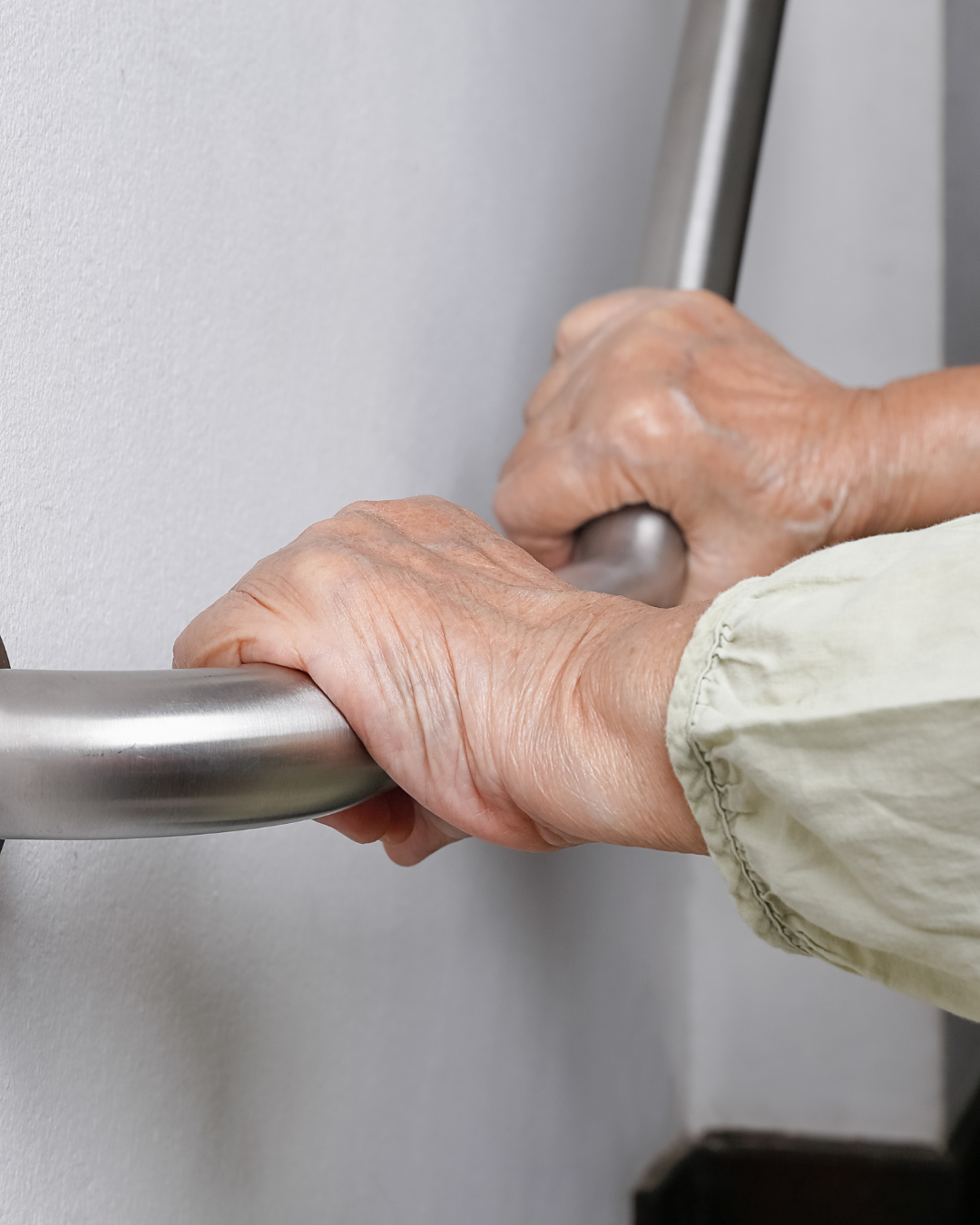
Safety First
Install Grab Bars
Pay Attention to their Health and Wellness
Schedule regular eye and hearing checks
Ask the doctor to review medications for side effects like dizziness
Monitor them after taking medication if there are side effects that could cause fall
Encourage daily light movement or balance exercises
PRO TIP: Be sure to provide supervision of exercises based on the needs of your loved one.
Provide them with properly fitted, non-slip shoes or slippers
Use mobility aids like canes or walkers for stability
PRO TIP: Pay attention to when a transition is needed from a cane to a walker, even inside the home.
Caregiver Notes
Keep emergency contacts posted and updated
Monitor changes in walking, posture, or hesitation
Trust your instincts if something feels off, it probably is
Closely monitor bath time and bathroom visits
Reassure your elderly loved one that using safety tools isn’t a loss of independence, it’s how they keep it
Talk to your elderly loved one about the plan if they have an accident to foster cooperation
Mitzie is a daughter turned caregiver, sharing real-life experiences, emotional support, and practical guidance for those caring for aging loved ones. Through The Caregivers Corner, she offers a space where caregivers can feel seen, supported, and less alone.
